

Five Things to Know About Isese Day, the Festival Already Becoming a Regional Holiday
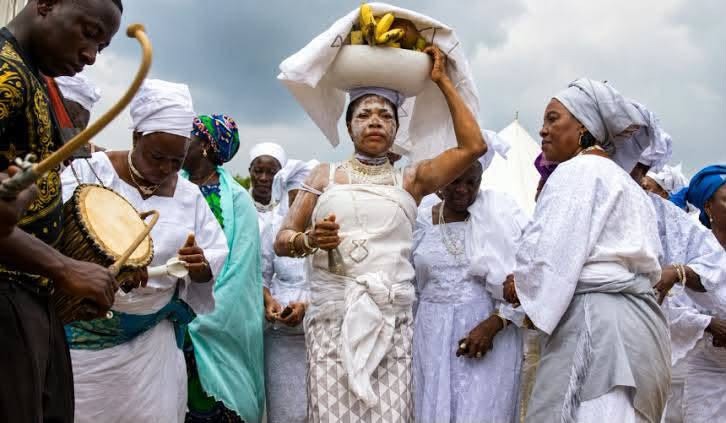
Isese, the Yoruba word for tradition, refers broadly to the customs, beliefs and practices of the Yoruba people. The term is also commonly used in connection with festivals and religious observances associated with Yoruba traditional religion and culture.
The celebration has gained renewed attention in recent years as traditional worshippers and cultural groups across Nigeria and in the Yoruba diaspora continue to promote the preservation of indigenous beliefs and cultural practices.
The Yoruba people are one of Africa’s major ethnolinguistic groups, with communities spread across southwestern Nigeria and parts of neighbouring countries, including Benin and Togo. Yoruba culture has also spread to countries such as Cuba, Brazil and the United States through historical migration and the African diaspora.
Several festivals are associated with Yoruba traditional culture, including the Eyo, Igogo, Ojude Oba, Olojo, Oro, Osun-Osogbo and Sango festivals. While these celebrations differ in their origins, rituals and locations, they are linked by the preservation of Yoruba heritage, spirituality and communal identity.R
An important part of some Isese observances is the performance of traditional prayers, rituals and offerings dedicated to various deities, including Obatala, Sango, Ogun, Osun and Esu. Such practices are often guided by traditional priests, priestesses and custodians who interpret spiritual instructions and oversee ceremonies.
Here are five things to know about Isese Festival:
1. Isese celebrates Yoruba tradition and indigenous spirituality
Isese is closely associated with the preservation of Yoruba traditional religion, history, customs and indigenous spirituality. For adherents, the period provides an opportunity to honour traditional deities, ancestors and cultural institutions while seeking blessings, protection, peace and prosperity.
The celebration also serves as a means of passing Yoruba customs and knowledge from one generation to another.
2. Isese Day is observed on August 20 in some Nigerian states
August 20 is observed as Isese Day in Osun State and has also been recognised as a public holiday in some other states at different times to allow traditional religion adherents to celebrate their faith and culture.
States associated with the recognition or observance of Isese Day include Osun, Ogun, Lagos, Kwara, Edo, Ondo, Oyo, Ekiti and Kogi, although the status and implementation may vary from one state to another.
3. The celebration includes different festivals and traditional ceremonies
Isese is not limited to one single festival or ceremony. Different Yoruba communities have their own traditional celebrations, often dedicated to particular deities, historical events or cultural institutions.
Among the well-known festivals are the Osun-Osogbo Festival, Sango Festival, Olojo Festival, Eyo Festival, Oro and Igogo Festival. Each has its own rituals, history, costumes, songs, dances and traditional significance.
4. Prayers, dances and offerings form part of some celebrations
Traditional prayers, chanting, drumming, dancing and other rituals may form part of Isese celebrations. In some ceremonies, offerings or animal sacrifices are also made according to the customs governing a particular deity or community.
The location of a ritual can also depend on the deity being honoured. For instance, ceremonies associated with Osun are traditionally connected with water and rivers, while other rites may take place at shrines or designated sacred locations.
Traditional priests and priestesses play important roles in ceremonies, particularly where spiritual consultation, prayers and offerings are involved. In Yoruba tradition, Ifa and Orunmila are also strongly associated with spiritual guidance, wisdom and divination.
5. White, red and black are among the colours associated with traditional observances
Traditional worshippers may wear different colours depending on the deity, community and nature of the ceremony. White is commonly associated with purity and spirituality, while red and black also feature in certain traditional religious and cultural observances.
Beyond clothing, Isese celebrations often feature traditional beads, drums, chants, dance, cultural performances and other symbols that reflect Yoruba identity.
Beyond its religious significance, Isese has increasingly become part of conversations about the preservation of African indigenous culture. Supporters argue that recognising traditional festivals helps younger generations understand Yoruba history, language, spirituality, art and customs.
For many adherents, therefore, Isese is not simply an annual festival but an expression of identity and a way of maintaining a cultural heritage that has survived generations in Nigeria and across the Yoruba diaspora.
About The Author