

AI won’t destroy democracy, INEC chairman declares amid voter register controversy
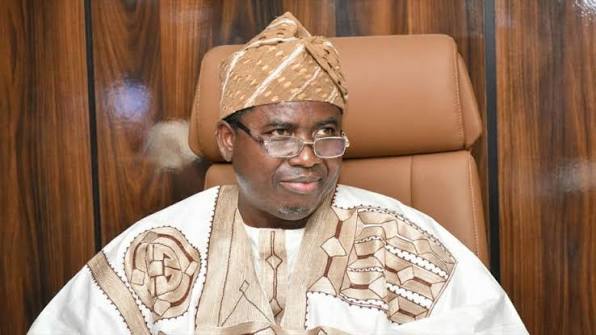
INEC Chairman Prof. Joash Amupitan says Artificial Intelligence is not a threat to democracy, but warns that the technology could be exploited to spread fake election announcements, clone public figures’ voices, and manipulate voters.
The Independent National Electoral Commission (INEC) has defended the use of Artificial Intelligence in Nigeria’s electoral process, insisting that the emerging technology is not an enemy of democracy despite growing concerns over its potential misuse ahead of the 2027 general elections.
INEC Chairman, Prof. Joash Amupitan, made the position known on Monday while speaking at the Beyond The Ballot Summit in Abuja.
Amupitan explained that election management bodies worldwide are already deploying AI to improve voter registration, detect duplicate records, streamline logistics, and strengthen data analysis.
However, he warned that the growing accessibility of generative AI tools has created new opportunities for electoral manipulation and misinformation.
According to him, malicious actors can now cheaply clone the voices of public figures and produce highly realistic fake announcements supposedly issued by election officials.
He stressed that such developments could be exploited to target vulnerabilities in the electoral process at critical moments.
Read also 2027 Elections: Oyo NOA, INEC Stakeholders Move to Prevent Electoral Violence
2027: INEC Rejects Adebutu’s Petition, Clears Pantami, Kano NDC Candidate
His comments come amid controversy surrounding INEC’s preliminary Register of Voters, which recently came under scrutiny following the circulation of questionable voter photographs online.
The commission disclosed that its Automated Biometric Identification System (ABIS) had flagged 268 voter records for suspected AI-generated photographs and other irregularities.

INEC’s Director of Information and Communication Technology, Lawrence Bayode, said the commission had commenced a cleanup of the affected records.
Bayode explained that some individuals allegedly exploited the special registration option designed for persons with disabilities who have incomplete or missing fingers to create questionable voter profiles.
He, however, clarified that genuine photographs enhanced with AI tools on mobile phones would not be removed from the register.
Only photographs identified as entirely AI-generated would be excluded.
The controversy followed the online publication of the preliminary voters’ register on October 26, with screenshots showing questionable photographs, alongside allegations of duplicate registrations and deceased persons appearing on the list.
INEC maintained that the register was still undergoing verification and that the public display exercise was designed to allow citizens to identify errors and challenge questionable entries.
The commission is expected to complete its verification and cleanup exercise before certifying the final Register of Voters on December 15, 2026.
With AI increasingly becoming part of election management, the commission faces the challenge of embracing its benefits while preventing its abuse in the 2027 electoral process.
About The Author