
Ebola Alert: FG Warns 15 States to Act Fast as Nigeria Ramps Up Emergency Response
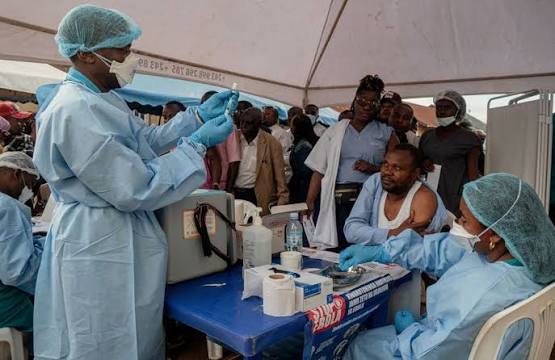
The Federal Government has sounded the alarm over Ebola preparedness, warning that 15 states are yet to update their response plans as Nigeria steps up efforts to prevent the virus from spreading.
Coordinating Minister of Health and Social Welfare, Prof. Muhammad Pate, disclosed that 21 states had updated their response plans, while the remaining states had been directed to accelerate preparations.
Speaking in Abuja, Pate said hospitals across the country had been instructed to provide isolation beds, strengthen infection prevention measures and adequately protect frontline health workers.
The directive follows the confirmation of an imported Ebola case in the Federal Capital Territory, raising concerns about Nigeria’s readiness to handle additional infections.
Read also Ebola Alert: Nigeria Teams Up With Uganda as FG Moves to Stop Spread
Ebola Scare: Senate Demands Emergency Funding, Compulsory Screening At All Entry Points
‘No Need to Panic, But Stay Vigilant’
Pate assured Nigerians that the government was working to contain the infection and prevent community transmission.
He said the Nigeria Centre for Disease Control and Prevention (NCDC) was coordinating the response, with support from the World Health Organisation (WHO) and the Africa Centres for Disease Control and Prevention (Africa CDC).
The minister stressed that contact tracing, surveillance, laboratory testing and prompt isolation of suspected cases remained critical to stopping the virus.
He also warned that healthcare workers were particularly vulnerable during outbreaks, insisting that hospitals must strictly follow infection prevention and control protocols.
Private Hospitals Under Scrutiny
The minister urged private hospitals and healthcare providers to immediately report suspected Ebola cases to public health authorities rather than attempt to manage them without notifying the appropriate agencies.
He noted that the infected woman had visited a private health facility before the infection was confirmed, highlighting the importance of early detection and reporting.
Pate said the government had released additional funds to the NCDC to strengthen the response and invited renowned genomics expert, Prof. Christian Happi of Redeemer’s University, Ede, to support further investigations.
Authorities also plan to conduct genomic sequencing to improve their understanding of the virus.
The current outbreak is linked to the Bundibugyo strain of Ebola, which differs from the Zaire ebolavirus responsible for the devastating 2014–2016 West African outbreak.
FG Mobilises States, Agencies for Public Enlightenment
Meanwhile, the Minister of Information and National Orientation, Mohammed Idris, has directed agencies under his ministry to intensify public awareness campaigns on Ebola prevention and containment.
The National Orientation Agency, Nigerian Television Authority, Federal Radio Corporation of Nigeria, Voice of Nigeria and News Agency of Nigeria have been tasked with disseminating verified information in communities across the country.
The government also plans to work with broadcasters, traditional rulers, religious leaders and community organisations to spread accurate information and counter misinformation.
Nigerians experiencing symptoms such as fever, headaches and muscle aches, particularly those with relevant travel histories or possible exposure, have been advised to isolate themselves and promptly contact public health authorities.
The NCDC’s toll-free, 24-hour emergency line is 6232.
NEC Backs Economic Plan, Reviews Polio Eradication
At its 161st meeting, chaired virtually by Vice President Kashim Shettima, the National Economic Council (NEC) also endorsed a 90-day economic action plan aimed at easing the cost of living, improving food affordability and attracting investment.
The plan identifies five priority areas: food affordability, tax harmonisation, completion of high-impact projects, removal of investment bottlenecks and regulated household support.
NEC also approved a national dashboard to track projects across the federation and improve transparency in the use of funds, including proceeds from fuel subsidy removal.
The council further directed states to strengthen polio eradication efforts through post-campaign reviews, improved immunisation and better coordination in insecure communities.
It also received updates on livestock development, with all states indicating interest in supporting the Federal Government’s initiatives in the sector.
As Nigeria confronts the Ebola threat, the government has urged citizens to remain calm, follow official health advisories and avoid spreading unverified claims.
The message is clear: preparedness, early reporting, and public cooperation will be critical to preventing a wider outbreak.
About The Author