
FG Confirms Ebola Case in Abuja as 44 Contacts Come Under Surveillance
The Federal Government has confirmed an imported case of Ebola virus disease in the Federal Capital Territory (FCT), triggering urgent contact-tracing efforts and heightened surveillance across the country.
The confirmation was announced by the Coordinating Minister of Health and Social Welfare, Muhammad Pate, following Ebola outbreaks in the Democratic Republic of Congo (DRC) and reported cases in Kenya.
Woman Arrives From Uganda With Symptoms
According to Pate, the patient is a woman who recently travelled from Uganda to Nigeria. She reportedly developed symptoms after returning to the country on October 7, with her condition worsening four days later.
The infection was subsequently confirmed through laboratory testing after the woman received treatment at a private hospital.
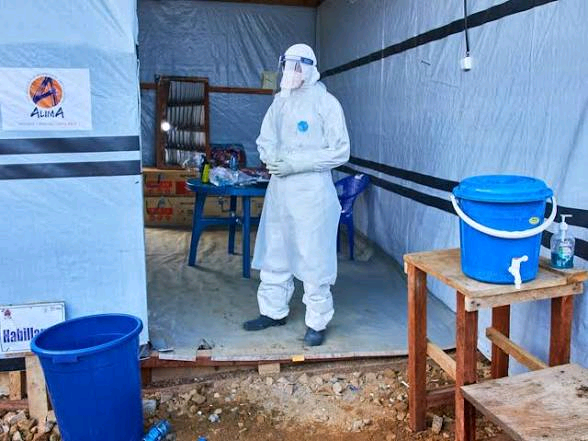
She is now in isolation and receiving medical care, while health authorities have launched contact tracing to identify and monitor people who may have been exposed.
So far, 44 contacts have been identified.
The government says surveillance is also being intensified at Nigeria’s entry points to reduce the risk of further transmission.
NCDC Issues Fresh Travel Health Advisory
The Nigeria Centre for Disease Control and Prevention (NCDC) has urged Nigerians to remain vigilant, particularly following reports of Ebola transmission in parts of Africa.
Under updated guidance on Health Declaration Forms, travellers arriving from countries with active or relevant Ebola transmission may be required to complete the form.
Passengers arriving from other countries are currently exempt from completing it, according to the advisory.
Travellers are also being urged to seek prompt medical attention if they develop symptoms consistent with Ebola.
Symptoms Nigerians Should Watch Out For
Health authorities have advised the public to watch for possible Ebola symptoms, including:
- Fever
- Severe weakness
- Headache
- Diarrhoea
Anyone who develops concerning symptoms, particularly after relevant travel or possible exposure, should seek medical advice promptly and inform healthcare workers about their travel history.
The government has also called on public and private hospitals to maintain a high level of suspicion for possible cases and follow appropriate infection-prevention measures.
Government Moves to Contain the Infection
Pate said the Federal Ministry of Health and Social Welfare, the FCT Health Secretariat, the Africa Centres for Disease Control and Prevention, and other partners are working together to contain the infection and prevent further spread.
He added that Nigeria is drawing on lessons from its successful response to the 2014 Ebola outbreak, alongside public health systems developed since then.
The government has urged Nigerians to remain calm, practise good hygiene and cooperate with public health officials as contact tracing and surveillance continue.
The bottom line: Nigeria has confirmed an imported Ebola case in Abuja, and 44 contacts have been identified for follow-up. Authorities say the patient is receiving care and containment measures are underway.
Stay informed. Avoid spreading unverified reports, and follow official updates from the NCDC and the Federal Ministry of Health.
About The Author