
IMF WARNS TINUBU AGAINST RESTORING PETROL SUBSIDY, DEMANDS TARGETED RELIEF FOR POOR
The International Monetary Fund (IMF) has warned the Federal Government against restoring a blanket petrol subsidy, insisting that relief should go directly to vulnerable Nigerians battling rising fuel prices and living costs.
The Fund argued that a general petrol subsidy would drain government finances, increase borrowing pressures and disproportionately benefit wealthier consumers who consume more fuel.
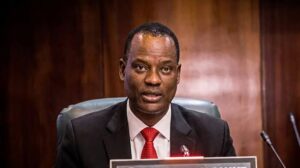
Speaking at the 2026 IMF-World Bank annual meetings in Bangkok, Thailand, on Wednesday, Rodrigo Valdés, Director of the IMF’s Fiscal Affairs Department, said protecting Nigerians should not mean artificially keeping petrol prices low for everyone.
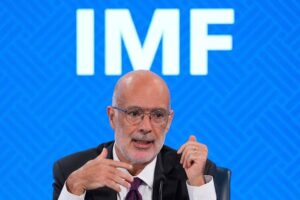
“Protecting people is not the same as protecting the price of fuels,” Valdés declared.
His comments come amid growing pressure on the Federal Government to reconsider petrol subsidy removal as soaring fuel prices push up transportation costs and worsen the financial hardship facing households.
According to Valdés, fuel subsidies and similar measures that prevent energy prices from reflecting market realities cost countries between one and 1.5 per cent of their Gross Domestic Product (GDP) in 2026.
He warned that such interventions were not only expensive but could also place additional strain on government finances.
Rather than restore blanket subsidies, the IMF urged Nigeria to deploy social safety nets and household data to identify and support those most affected by rising energy costs.
IMF PROPOSES BUS FARE SUBSIDY, SCHOOL FEEDING FOR POOR NIGERIANS
The Fund also recommended targeted interventions to cushion the impact of higher petrol prices on transportation, food production and household welfare.
Davide Furceri, a division chief in the IMF’s Fiscal Affairs Department, argued that subsidising public transportation could provide more effective relief than keeping petrol prices artificially low for everyone.
He also proposed school feeding programmes, targeted assistance for vulnerable farmers and location-based support for disadvantaged communities.
Furceri acknowledged that Nigeria and other countries without comprehensive household databases and digital payment systems could struggle to deliver such assistance.
However, he maintained that governments could introduce temporary alternatives while developing stronger systems to identify and support eligible beneficiaries.
He stressed that any intervention should be limited, targeted and temporary.
Read also Shell Exits Nigeria’s Gas Distribution Business, Sells Stake to Vaaris Energy
Obi Challenges Tinubu: What’s The Use Of Economic Growth When Nigerians Are Hungry?
Coastal Highway Intact, Umahi Dismisses Claims Of Project Cancellation
FG’S FUEL PRICE RELIEF PLAN UNDER SPOTLIGHT
The IMF’s position comes as the Federal Government rolls out measures to ease the burden of rising petrol prices without formally restoring the subsidy regime.
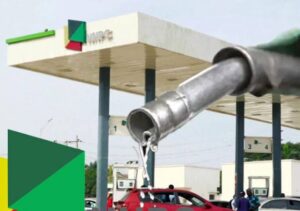
The government recently announced a 30-day petrol discount at Nigerian National Petroleum Company Limited (NNPC) retail outlets, prioritizing public transport operators.
Finance Minister Taiwo Oyedele said NNPC retail would sell petrol at cost by foregoing its retail profit margin, describing the initiative as temporary relief rather than a return to petrol subsidy.
The government has also proposed negotiating a ceiling of ₦1,350 per litre on petrol’s ex-gantry or landing cost, subject to monthly reviews.
The IMF, however, warned that broad subsidies could worsen global energy pressures by discouraging consumers from adjusting their demand when fuel supplies are limited.
Valdés argued that when governments artificially suppress fuel prices, consumers have less incentive to reduce consumption, forcing markets and other economies to absorb greater pressure.
The Fund maintained that targeted assistance would offer a more financially sustainable way to protect vulnerable Nigerians without reopening the door to costly blanket petrol subsidies.
About The Author