
₦166.79TRN DEBT: ATIKU TO TINUBU — WHERE IS THE MONEY GOING?
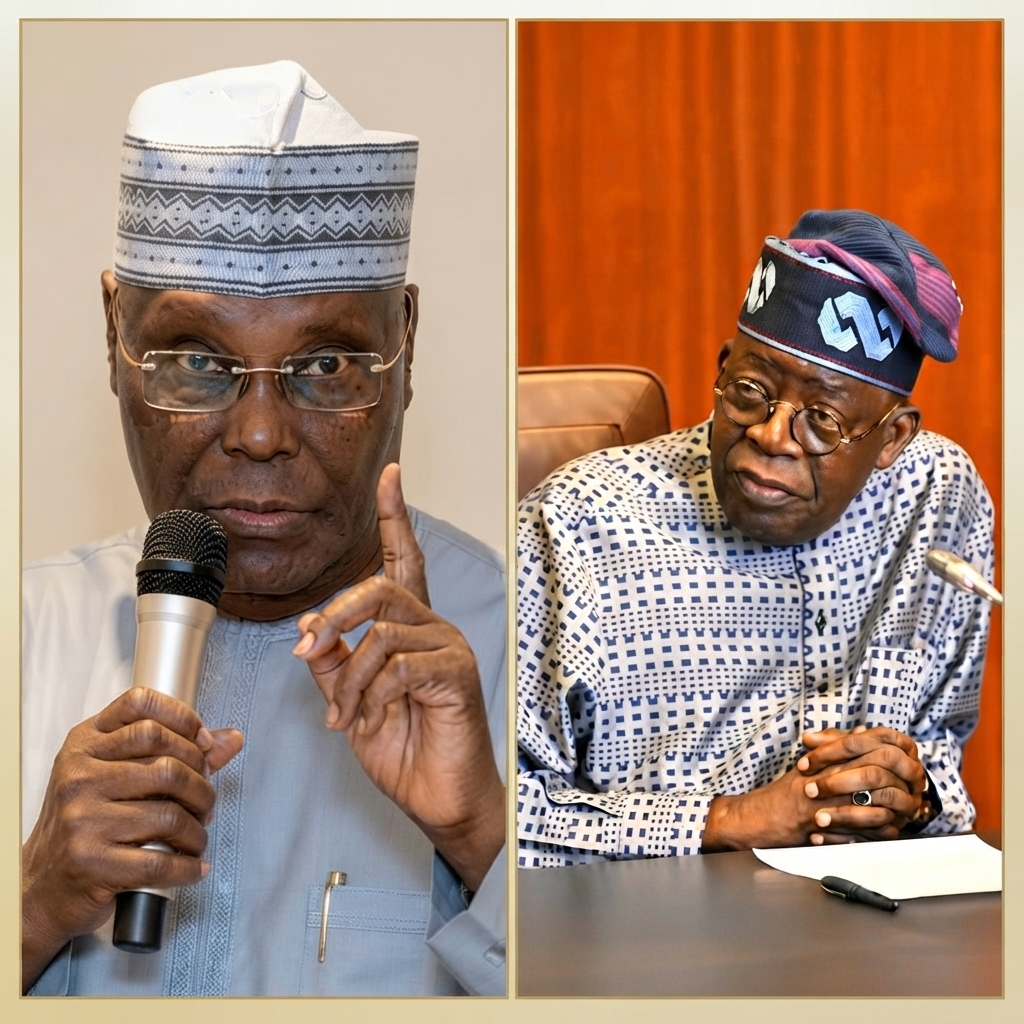
Former Vice President Atiku Abubakar has challenged President Bola Tinubu to explain why Nigeria’s public debt has climbed to ₦166.79 trillion, despite increased government revenues.
Atiku, through his Director of Strategic Communications, Phrank Shaibu, said Nigerians deserve answers after enduring higher costs of food, fuel, transportation, electricity and other essentials under the administration’s economic reforms.
According to figures from the Debt Management Office (DMO), Nigeria’s total public debt stood at ₦166.79 trillion as of June 30, 2026.
Atiku said the debt figure represented a sharp increase from the ₦49.85 trillion recorded in March 2023, and questioned why borrowing continues despite the government’s increased revenue.
“A government that says more money is coming in must explain why it keeps borrowing and why the people paying for its policies cannot see the promised gains,” Atiku said.
He demanded a full reconciliation of the debt, including old obligations newly captured, exchange-rate effects on foreign debt, fresh loans secured since 2023, repayments and outstanding balances.
‘WHAT DID THE SACRIFICE BUY?’
Atiku also questioned the gap between improved macroeconomic indicators and the economic reality faced by ordinary Nigerians.
He said the real measure of economic reforms should be whether Nigerians can afford food, transportation, housing, education, healthcare and electricity.
His argument comes against the backdrop of a June 2026 IMF assessment which said Nigeria’s reforms had improved macroeconomic outcomes and resilience, but noted that conditions remained difficult for many Nigerians. The IMF estimated poverty at 63 per cent and said 27 million Nigerians faced food insecurity in late 2025.
Atiku also cited BudgIT figures showing ₦12.52 trillion spent on debt service against ₦18.63 trillion in revenue by the third quarter of 2025, while the 2026 fiscal framework projects a deficit of about ₦31.45 trillion.
ATIKU QUESTIONS $39.25M ‘OTHER CHARGES’
The former Vice President further demanded explanations for $39.25 million listed as “other charges” in the DMO’s second-quarter 2026 external debt-service schedule.
He specifically questioned a $22.5 million charge linked to a First Abu Dhabi Bank Total Return Swap, asking what the payment was for, which agreement authorised it, the original facility, how much was drawn and what remains outstanding.
Atiku also called for a reconciliation of the ₦19.48 trillion Treasury Bills outstanding as of June 30, asking Nigerians to be told what was redeemed, rolled over and genuinely borrowed.
‘NIGERIANS DESERVE ANSWERS’
Atiku said Nigerians accepted painful reforms on the understanding that they would eventually produce better economic conditions.
“Fuel subsidy was removed. The naira was allowed to depreciate sharply. Electricity and transportation costs rose. Government revenues increased, yet borrowing continued.”
He added:
“After all of this, the Nigerian people are entitled to ask one simple question: what exactly did our sacrifice buy?”
Atiku is demanding an explanation from the Tinubu administration — and an apology to Nigerians over the hardship he says the reforms have caused.
The central question from the opposition figure: if government revenue is rising, why is Nigeria’s debt still climbing?
About The Author